
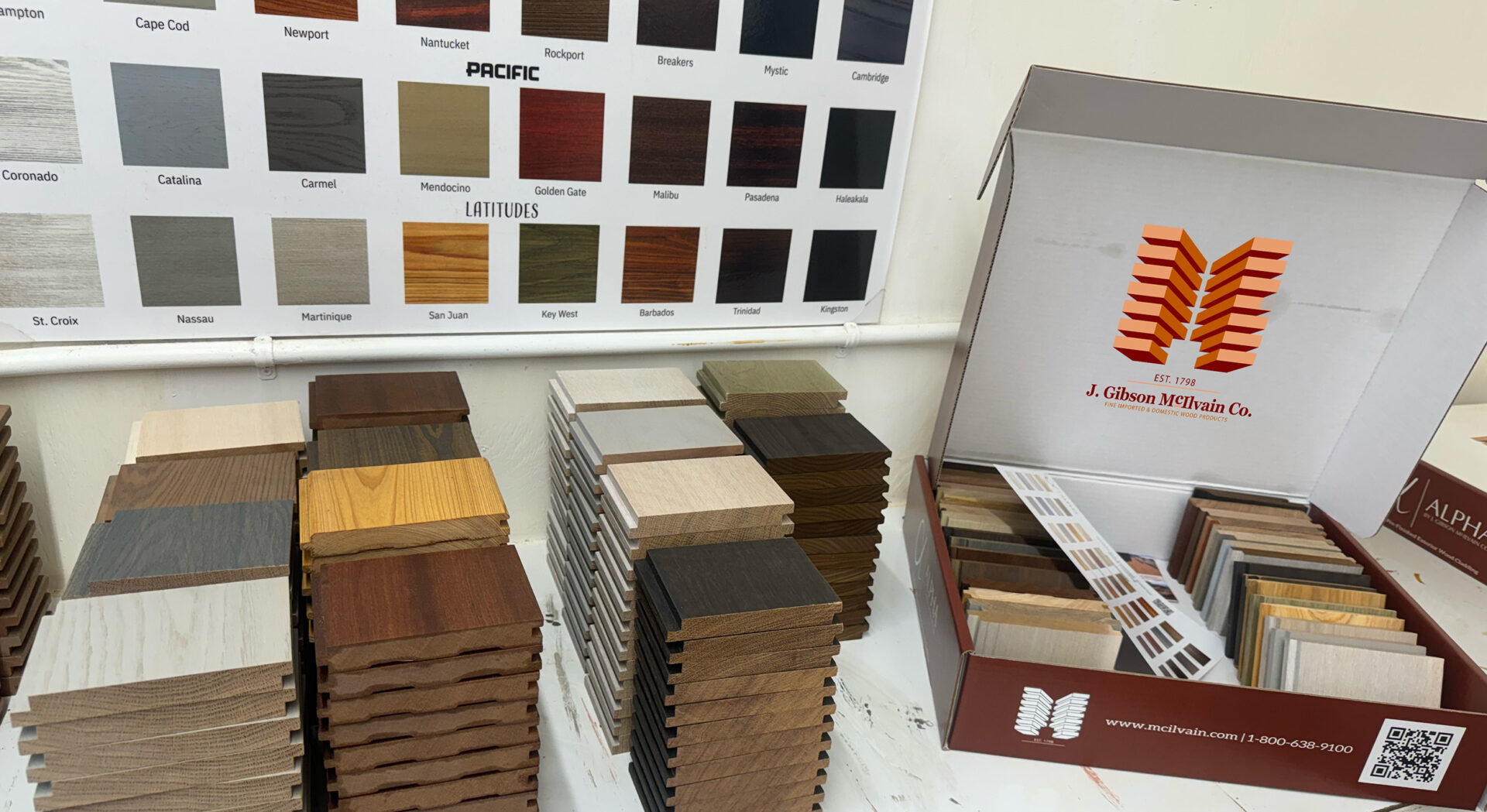
The Sample May Not fully represent the species
You have received a wood sample to consider for your upcoming project. Whether you are evaluating a species alone or a finish to go with it, it’s important to consider that the sample can only provide so much information about the final product. It acts as a puzzle piece, showing only a small portion of the final look on a larger scale.
As wood is a natural product, variation just comes with the territory. There is no way to ensure that each board looks identical, and honestly, it would remove the very essence that makes solid wood such a sought-after and luxurious choice.
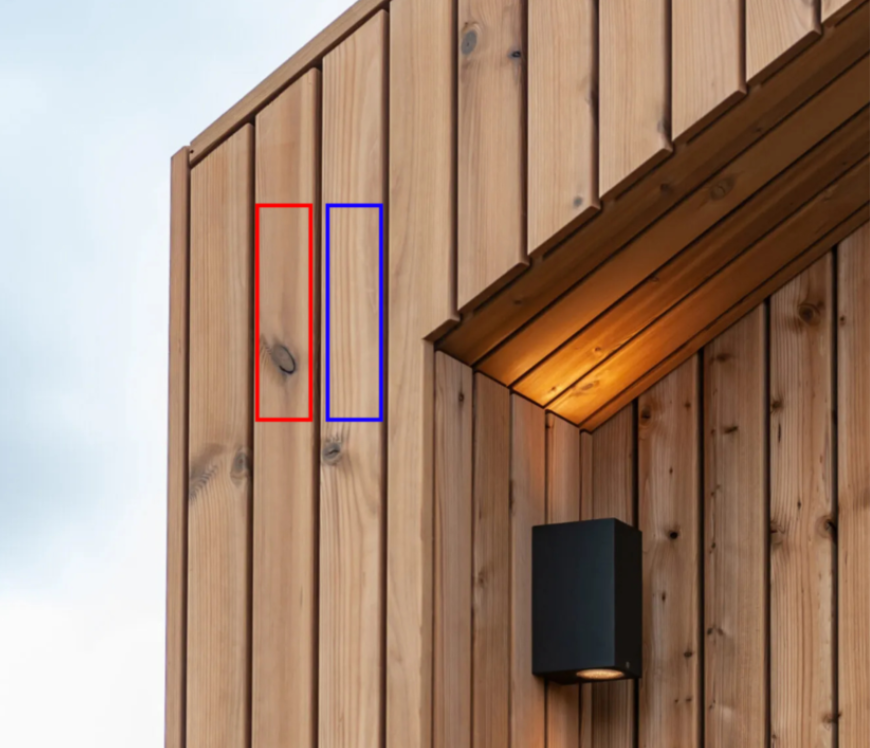
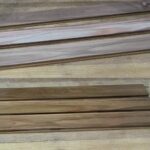
Consider the photo below, showcasing the Thermory Benchmark Pine product that has knots throughout. If Customer A were to receive the sample outlined in red, and Customer B received the blue, they would have vastly different interpretations of what that product would look like on a large scale. How can this be mitigated? Since not all samples can include knots each and every time, species education and proper expectations set from the very beginning are essential to ensuring that the customer and sales team are on the same page moving forward.
The sample is too small to tell the whole story

Another example of sampling falling short is when you can’t get a feel for the scale of the project. Let’s say you have your sample in hand, and, unlike our example above, it is actually a good representation of how that particular wood species and finish combination will look. But that small piece gives a very different impression that an entire wall made from that piece. Think of that tiny color swatch of lemon yellow that you taped to your kitchen wall.
“I really like how that yellow looks.” So you buy 5 gallons and paint your whole kitchen.
“I have a headache!” you say every time you step into your kitchen in the morning from now on.
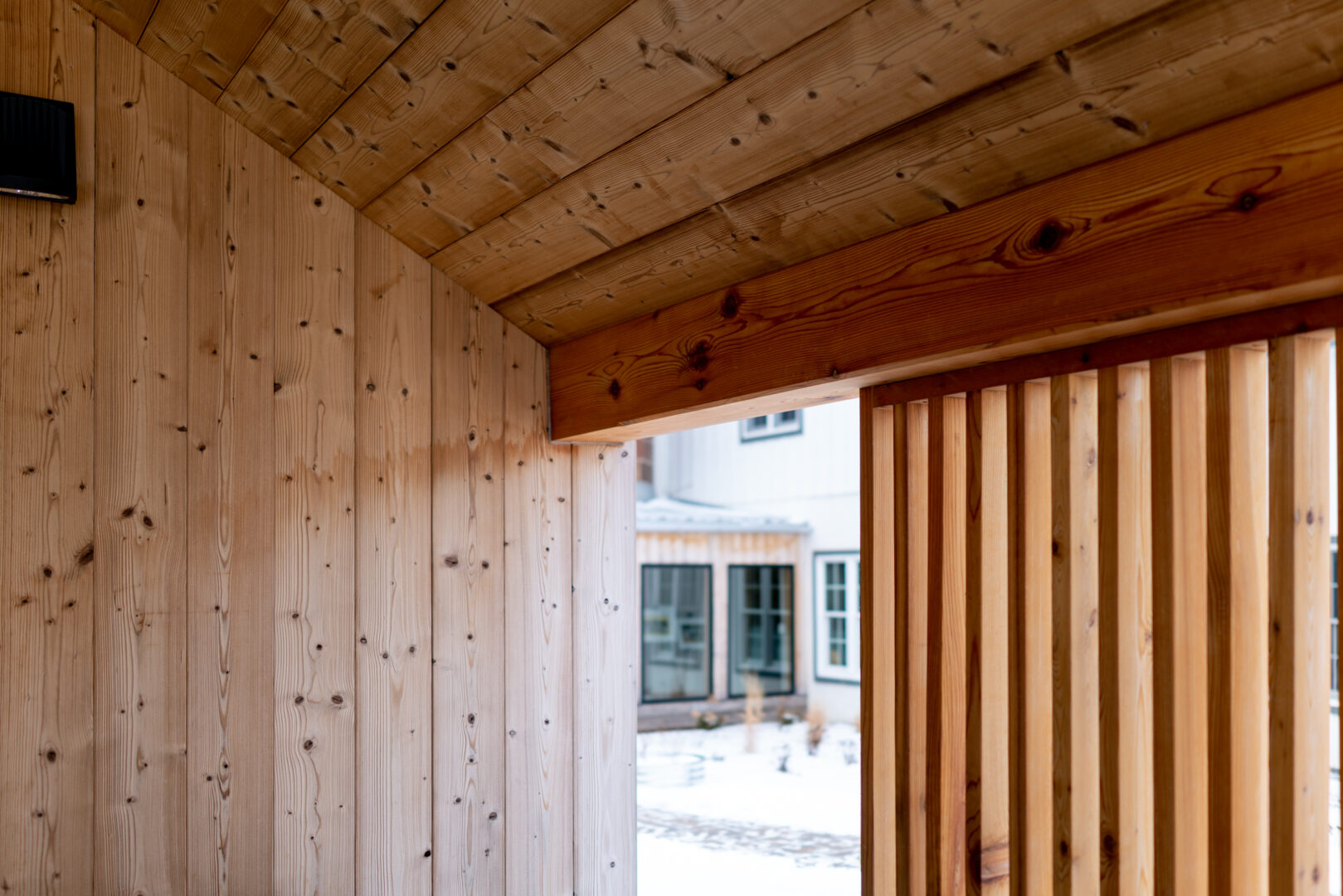
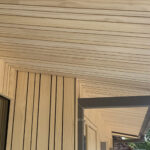
I joke here, but how many of us have run into this same situation. More to the point when it comes to wood samples, look at the image below. On the left is a good sample representation of a Spruce cladding sample board. You can see it has knots, but most of the board is pretty clear. However, on the right is what it looks like when you clad the entire wall and soffit with the same material. It’s a very different feel. Nothing wrong with it at all, but the end results can be similar to that yellow kitchen effect if you weren’t expecting the more rustic, knotty look.

Set Proper Expectations with Additional Species Knowledge
Prior to receiving samples, allow yourself and your team some time to learn the specific attributes of your desired species. Our team at J. Gibson McIlvain Co. is well-equipped to answer questions regarding the following information as well as to provide a great deal of photos to ensure you receive the product that fits best within your design. The following are some key attributes to look out for that will impact the sample you receive:
Knots vs Clear
- Photos should tell you quickly whether or not you can expect to find knots in the product you choose. Grade is the main factor that determines if knots will be present – be sure to ask what grades are available in your desired species. Consider ordering a larger scale mockup to get a feel for how the grade looks across a wider canvas.
Color Variation
- Some species will be more consistent than others in terms of color. Others like Western Red Cedar can have an extremely wide range of colors – all of which can show up in any given pack of lumber. A single sample can only show one possible option, but photos of already installed Cedar can provide context into how your sample fits into a large-scale project.
Grain Pattern & Variation
- Whether a board is flat, quartered, or rift sawn definitely impacts the final look, especially in a large-scale setting such as cladding. Certain species such as White Oak and Sapele require this distinction when ordering, as the stark differences between them can negatively impact a design if you’re not prepared. Not to mention the grain will affect the availability and final pricing. When requesting samples, ask for further details on the distinction between flat, quartered and rift. Once again, photos do a fantastic job of illustrating the differences.
The key takeaway is this: A sample cannot be the only factor considered when choosing the species that will ultimately define your real-wood project. The sample is merely a tool used to further the information provided through research, example photos, and discussions with wood experts who can lead you confidently through the forest to the finished journey of your natural wood product.
Learn More About Wood Grain
Selecting a product from a sample and especially moving into custom samples is tough. Sometimes just knowing the terminology will help a great deal. We have developed a course on understanding wood grain, and for the architects out there, how to specify it.
It is also an AIA certified course for 1 HSW credit





Leave a Reply