
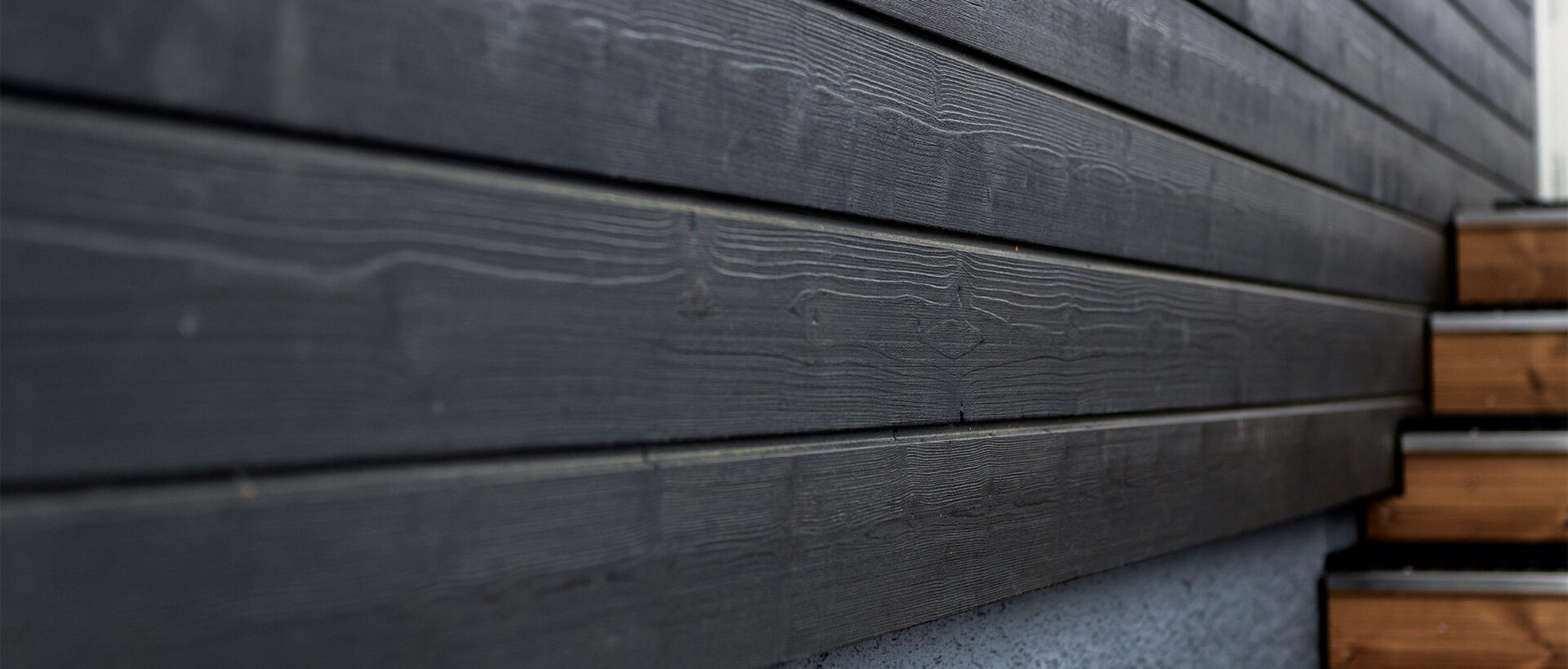
Charred Wood Siding – A Brief History
Yakisugi, which translates to “burnt Japanese cedar,” is a traditional Japanese wood-burning technique that has become popular over the last 20 years. This charred wood technique involves burning the face of traditionally Japanese cypress lumber. This process gives the wood a dark finish but also boosts its durability when it comes to rot and pest resistance. Interestingly, in the West, this technique is often referred to as “Shou Sugi Ban”—a term that originated from a mistranslation of the Japanese kanji characters 焼杉板. The characters were misread using a mix of Chinese and Japanese pronunciations, leading to the hybrid term “Shou Sugi Ban” instead of the correct Japanese reading, “Yakisugi.”
Yakisugi is believed to have originated in 18th-century Japan during the Edo period and became popular for its ability to enhance the durability and fire resistance of wood—an essential benefit in densely built cities like Edo (modern-day Tokyo), where wooden structures were highly vulnerable to fire. The charred wood siding’s carbonized surface, created by the Yakisugi process, acts as a protective shield, shedding water and resisting ultraviolet radiation. Additionally, the intense heat burns surface-level sugars and hemicellulose, leaving behind a carbon-rich layer that is less hospitable to fungi and insects. Finally, the process thermally modifies only the charred surface of the wood, improving its dimensional stability by reducing moisture absorption and minimizing swelling or warping.
Yakisugi Uses
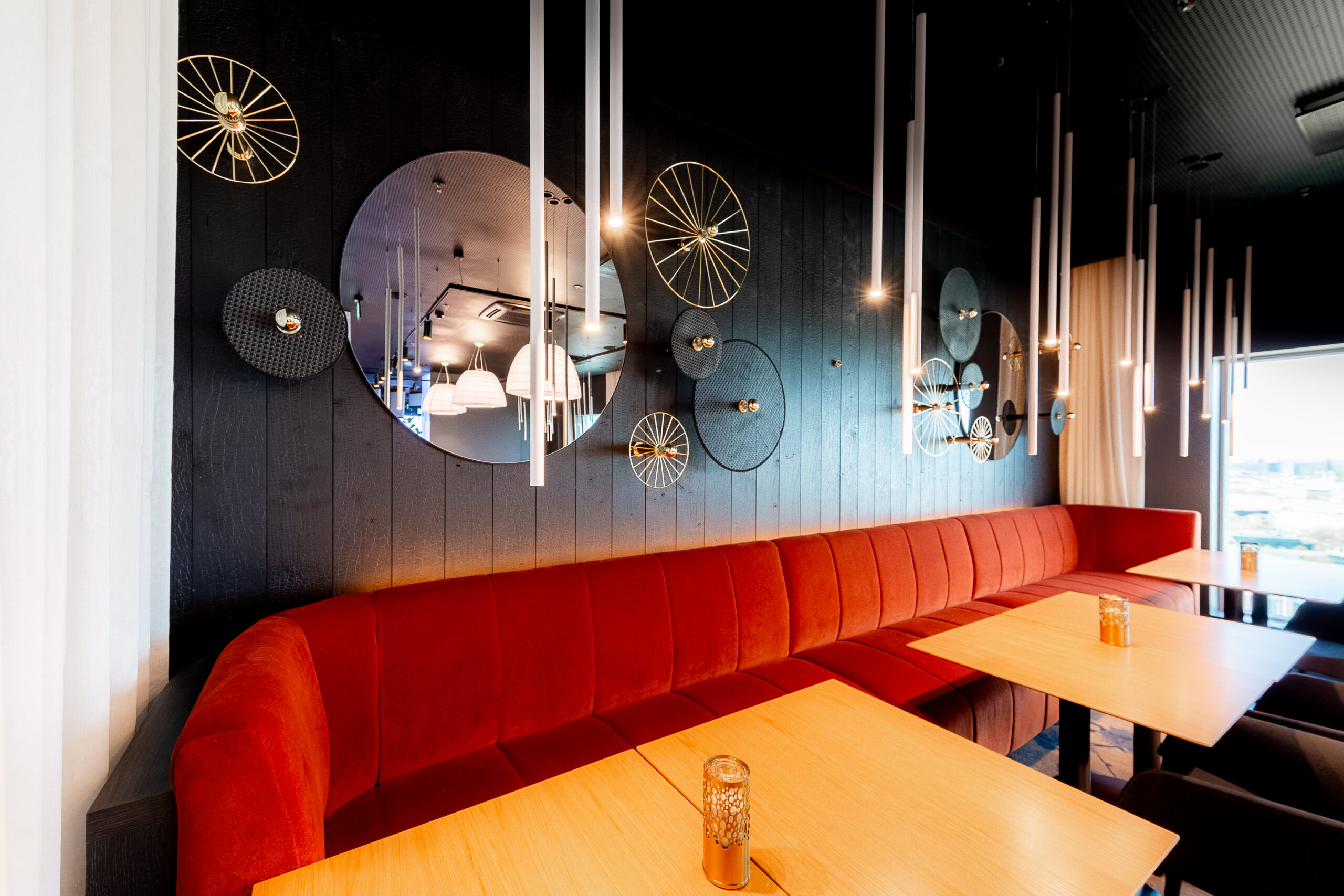
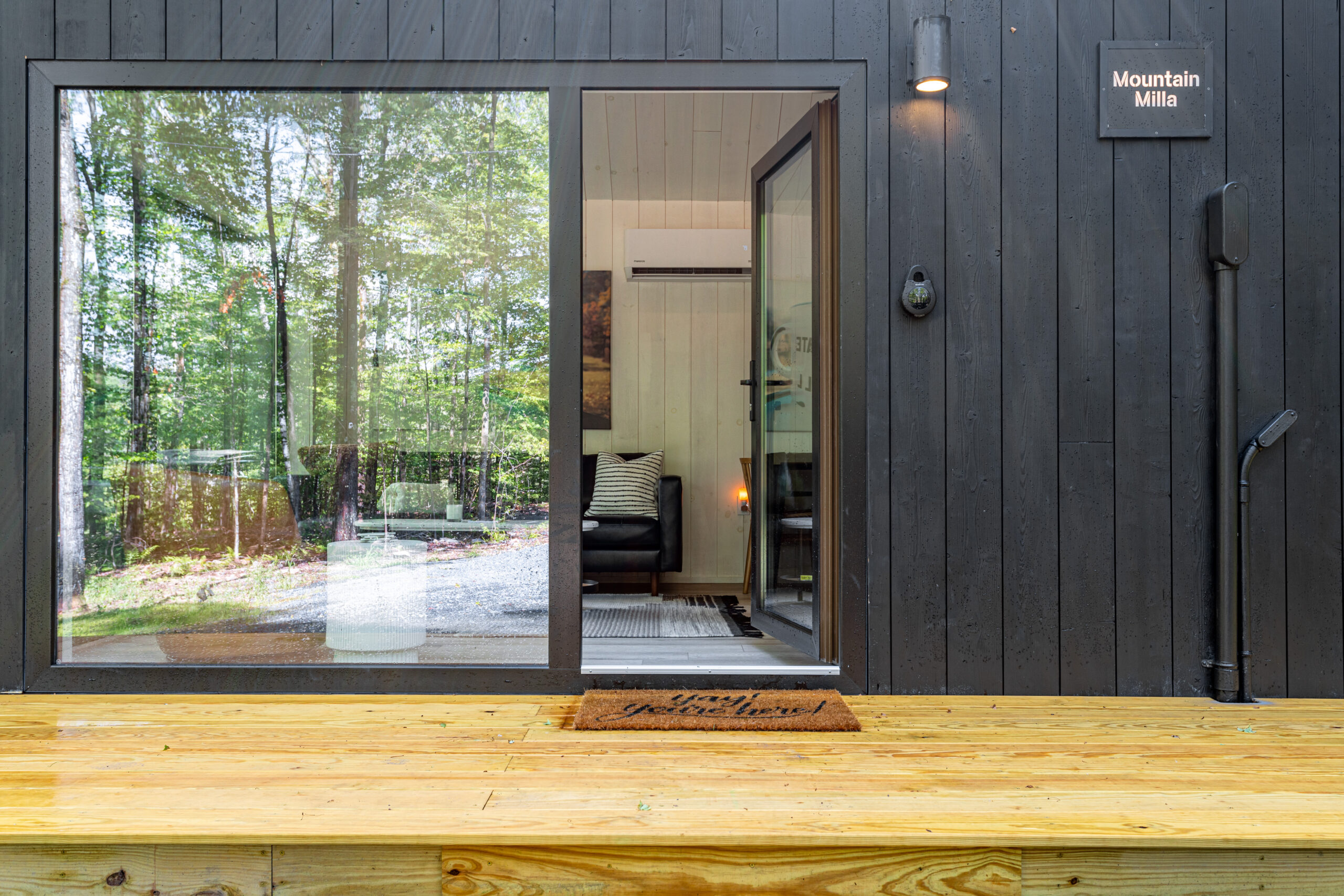
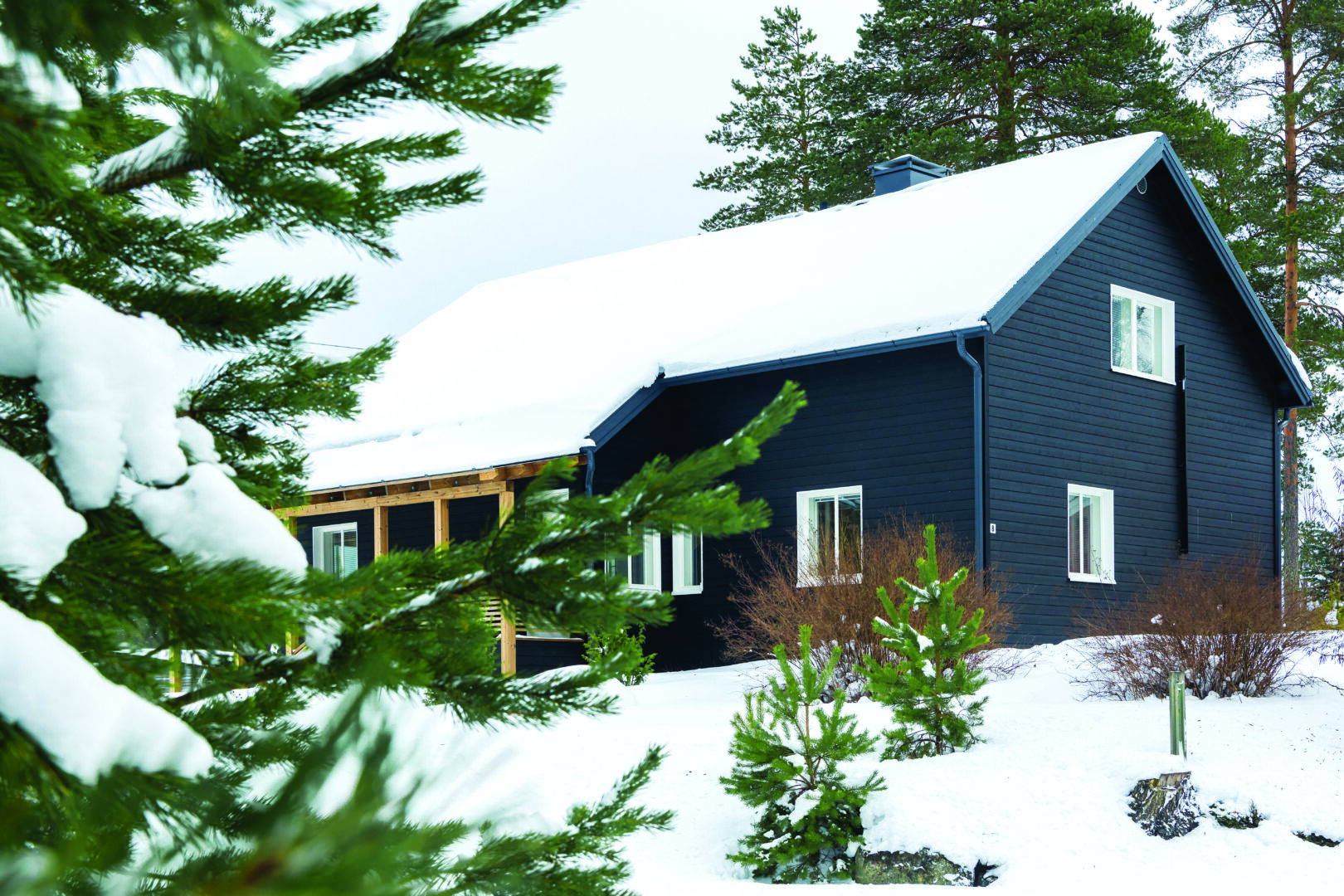
Shou Sugi Ban siding is obviously used for solid wood cladding purposes primarily, but in addition, we find it popping up across homes both on the interiors and exteriors.
- Exterior Siding and Cladding
- Soffits, fences, gates
- Interior accent panels, walls, and ceilings
- Furniture
Two Yakisugi Treatments
Beyond just how it is used on a home, there are multiple different looks you can find with the Yakisugi process. They all require burning the wood, but essentially, we have a light burn, a brush, and a heavy burn.
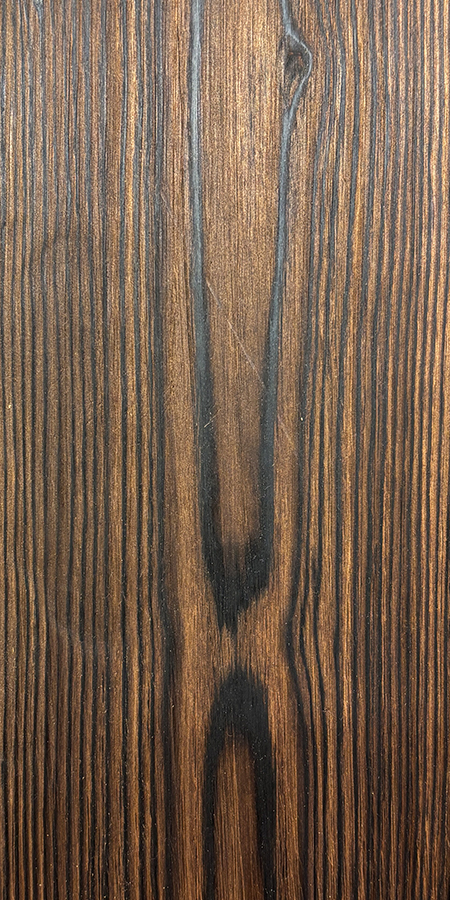
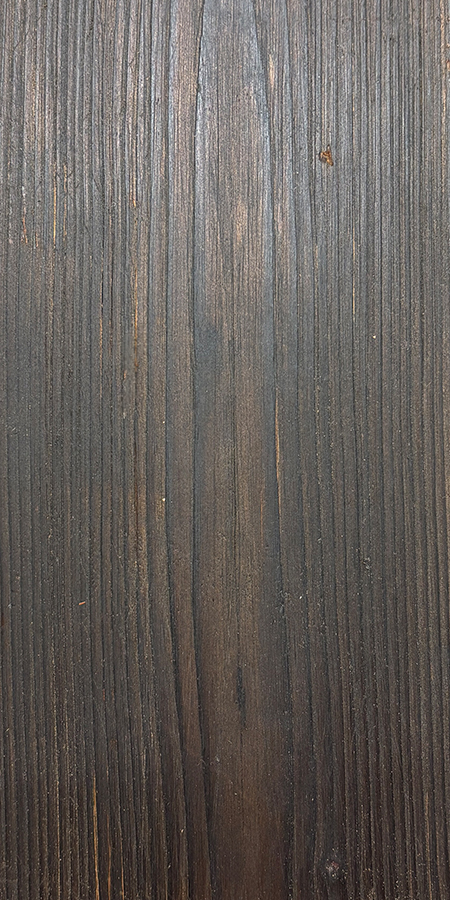
The light burn chars the softer, early-growth part of the annular growth ring while leaving the denser, late-growth ring mostly intact. When brushed, that softer material is swept away, leaving this three-dimensional, almost topographic map look to the wood that follows the natural growth lines. This is why Japanese cedar is so highly prized for charring, as its varied densities create a really interesting pattern.
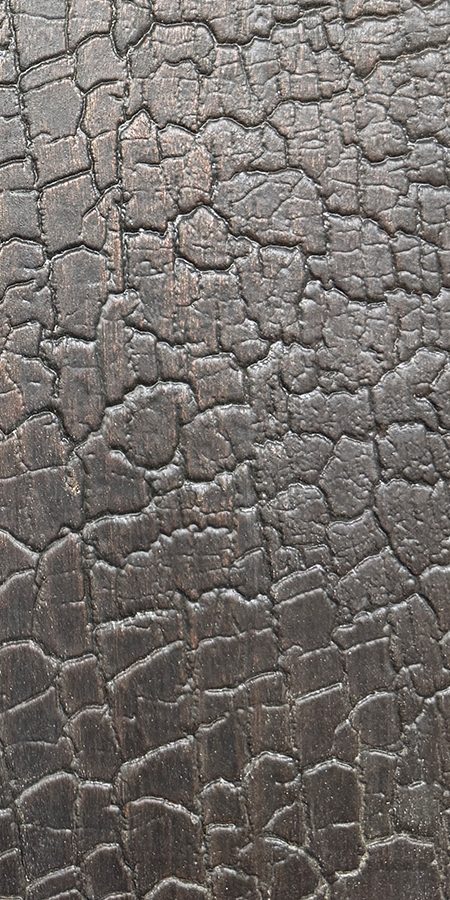
The heavy burn is exactly that. Once the surface has been fully charred, we keep burning, which torches all the sugars and extractives in the wood and creates this fascinating scale pattern. Often called “gator scale,” it is an extremely popular Shou Sugi ban siding option. Here again, the resultant look is often determined by the species chosen to burn in the first place.
Disadvantages of Shou Sugi Ban
Yakisugi is definitely a unique look for any project, but for being burnt wood siding, the material itself does have some potential drawbacks:
Requires specialized skills to be produced correctly
Being made from a softwood like Japanese cypress, burnt, and then possibly milled to a tongue and groove or shiplap profile, real Yakisugi is extremely delicate to work with and requires a manufacturer well-versed in how to create and handle the product. The charring process introduces a dramatic moisture exchange and can severely warp a board if not done correctly.
Sensitizing & Sooty
Burning wood produces that carbon layer, and this can be a major sensitizer for anyone with allergies. As such, using a Yakisugi product indoors can be troublesome unless that char layer is locked in place under a film layer created by a varnish or similar finish. Likewise, that charred wood layer will continue to produce sooty hands every time the wall is touched, so it needs to be sealed to prevent making a mess.
Installation challenges
When installing Yakisugi, you have to remember we are talking about burnt wood siding, so it’s common to order up to 25% of additional material to account for shipping or job site damage. Now add another 10% to cover installation error or just that ubiquitous “oops” factor. Because Yakisugi is a premium and fragile product, it’s critical to work with an installation team that has the experience handling and installing similar fragile materials.
Cost
Being such a specialty product, the cost can be at a premium. We have seen credited Yakisugi manufacturers quote at a minimum of ~$13 a sq ft. So, for a 2000 sq ft home, you can expect to pay $26,000 in just material costs. Keep in mind the above installation point as well, and the overages needed, and add that to your budget.
Limited species selection
When it comes to true, traditional Yakisugi, you are working with only two softwood species: Japanese cypress and cedar. This is due to the chemical behavior of these woods, which allows them to char evenly while minimizing burn-through.
Some Yakisugi manufacturers sell products labeled as “Shou Sugi Ban” that are made by burning other wood species. This is why caution is important—not all species burn the same way or at the same rate. Certain woods require significantly more heat to achieve a char, which can cause them to ignite rather than undergo a controlled burn. When this happens, the structural integrity of the wood can be compromised.
The end result may visually mimic Yakisugi, but because excessive heat was required, the wood itself may be weakened beneath the surface.
Alternative Yakisugi Solutions
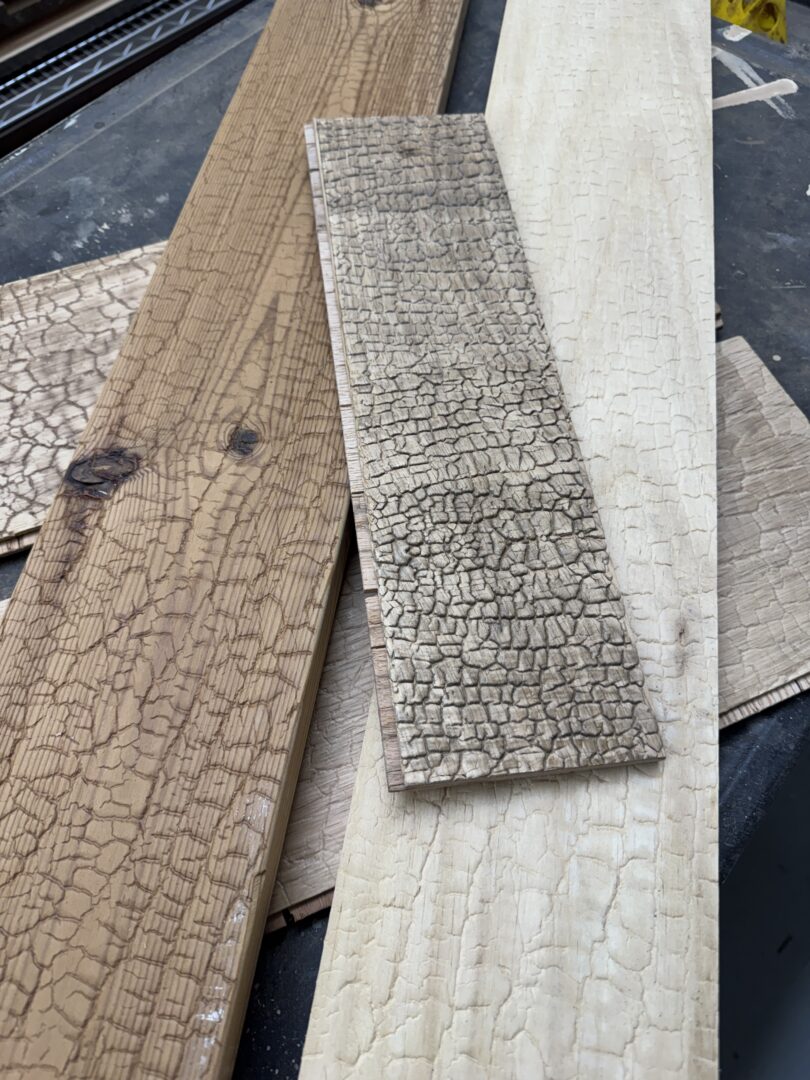
So, what do you do if you want that charred wood siding look, but you don’t want to deal with the tradeoffs? We have two options for you:
- First is McIlvain’s embossing service. We can emboss a texture on most species to achieve the same look, while also offering a wide range of species and sizes to choose from. Want the gator scale look on Mahogany? No problem, how about Iroko, sure, Walnut? A little insane, but why not! Depending on the species selection, there can be significant cost savings of ~ 20%.
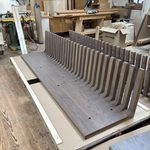
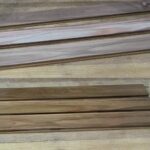
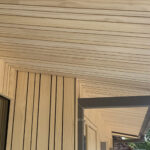
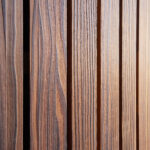
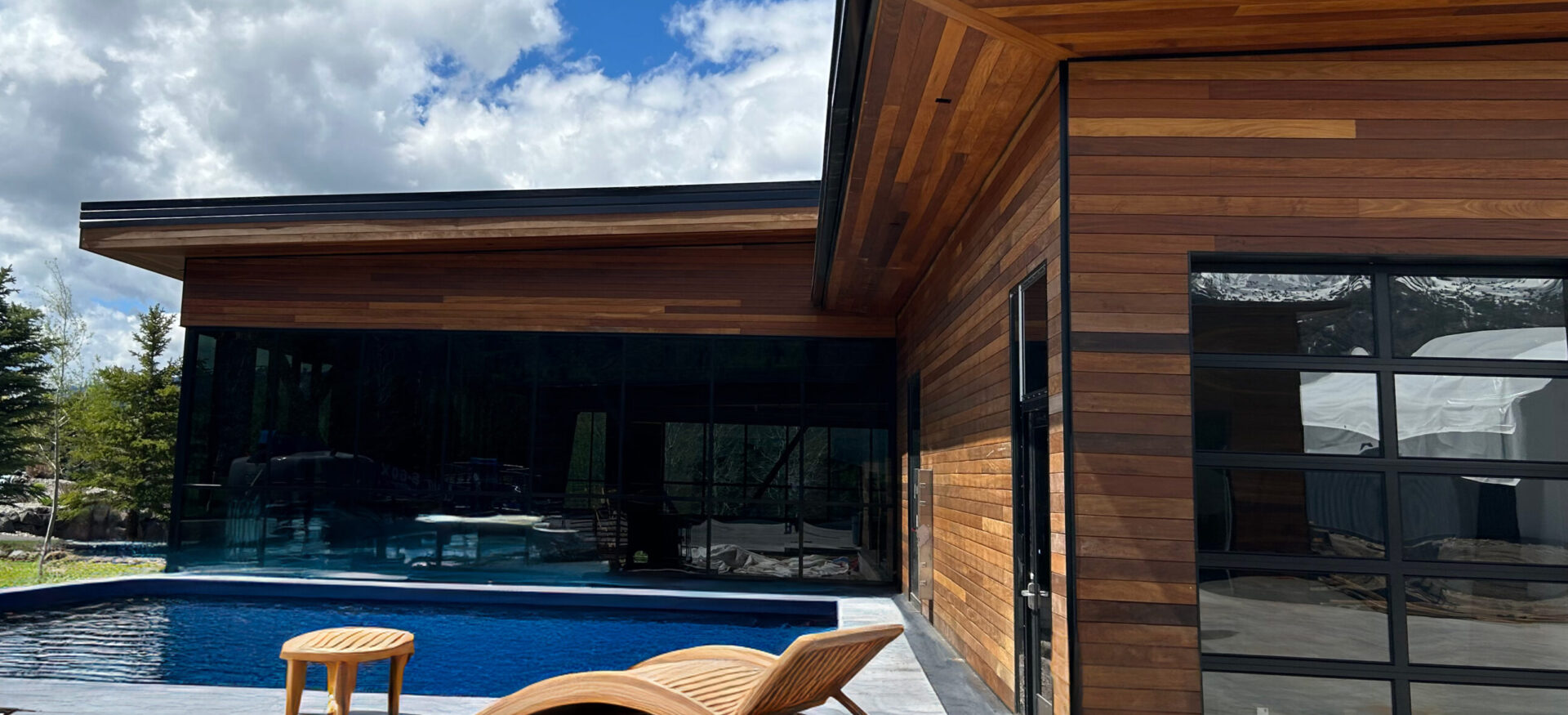
- Another solution that is a bit more out-of-the-box comes from our friends at Thermory through their Ignite line. Fun fact—all the images we showed above are Thermory Ignite! With Ignite, you can replicate the look of Yakisugi while also gaining all the benefits of thermally modified wood. Even better, Thermory Ignite comes in at roughly the same price point as genuine Yakisugi. (Not sure what thermally modified wood is? Learn more here.)
So, which Charred Wood do you choose?
Genuine Shou Sugi Ban should be your choice if authenticity and visual impact are your top priorities. When charred wood siding is installed correctly by experienced professionals, it offers a look that is both unique and long-lasting. However, it’s important to understand that the “good stuff” comes with trade-offs—starting with sourcing a qualified manufacturer, followed by higher material costs, greater material waste, and increased installation complexity.
If your project is more value-driven, you’ll need to decide whether genuine Yakisugi is necessary to achieve your design goals. In many cases, the alternative solutions mentioned above can deliver a similar aesthetic with lower cost, reduced material waste, simpler installation, and a broader range of wood species.
Ultimately, the right solution depends on what matters most for your project: historical authenticity, long-term performance, ease of installation, or overall budget. Understanding these tradeoffs early allows you to make a confident, informed decision—and avoid surprises down the line. Leaning towards Yakisugi alternatives? We can help. Let us know about your project using the link below




Leave a Reply