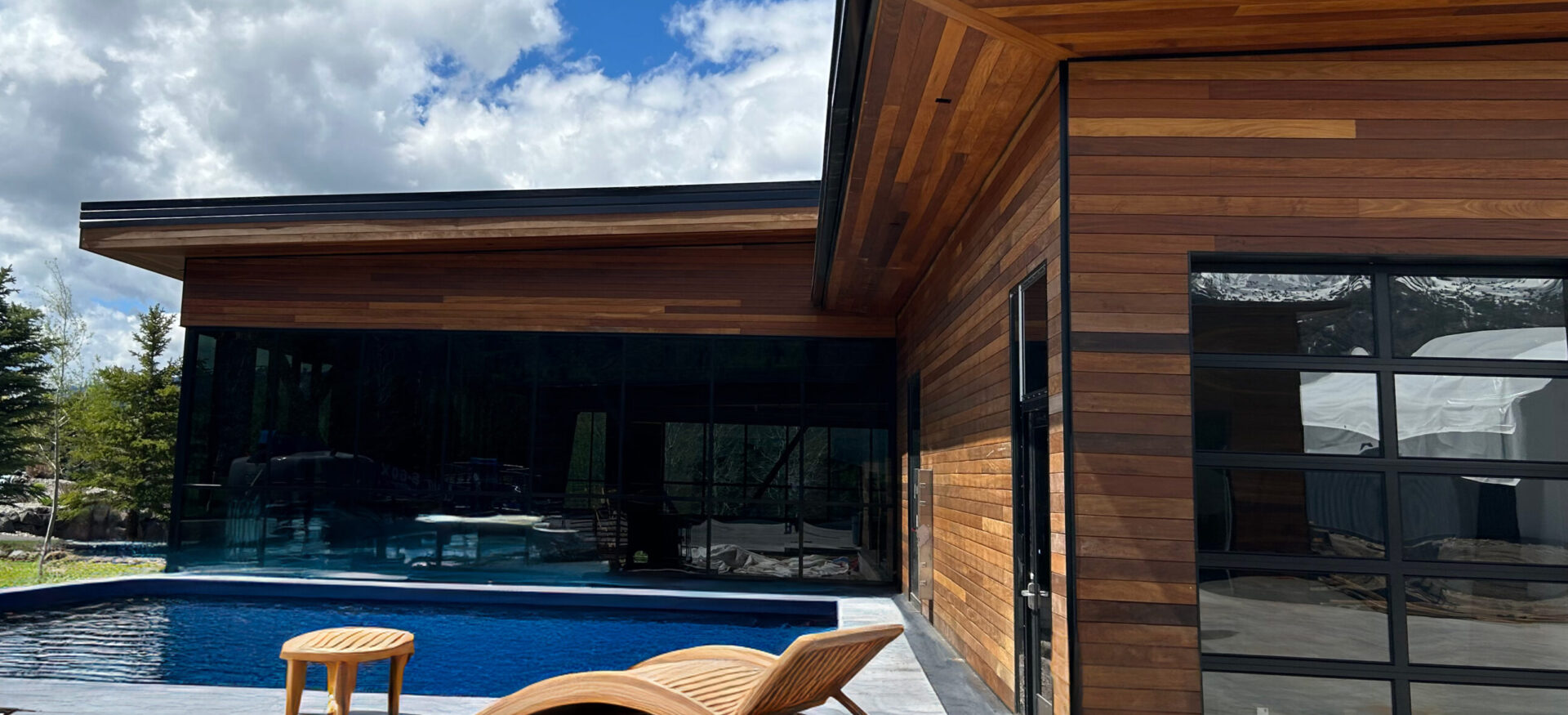
New Growth Wood with a Vertical Grain Aesthetic

We have partnered with Abodo to distribute their Vulcan Clear Vertical Grain (CVG) products. We chose to partner with Abodo because we believe their sustainable harvesting of new‑growth timbers, represents the future of the lumber industry. We are also quietly impressed by the rigorous testing Abodo has done to support the performance claims of each of their products—and we believe you will be too.
Thermally modified Pinus radiata
All of Abodo’s products are created using thermally modified Pinus radiata, also known as Radiata Pine or Monterey Pine. This is an fast‑growing, plantation softwood that is harvested from forests in New Zealand. Radiata Pine is exceptionally workable and highly permeable, making it an ideal choice for modification treatments such as thermal modification. This permeability also allows the species to accept finishes with ease. Radiata Pine is typically used for interior paneling, trim, and mouldings. Thermally modifying it now makes it an exceptional product for exterior applications like cladding and decking.
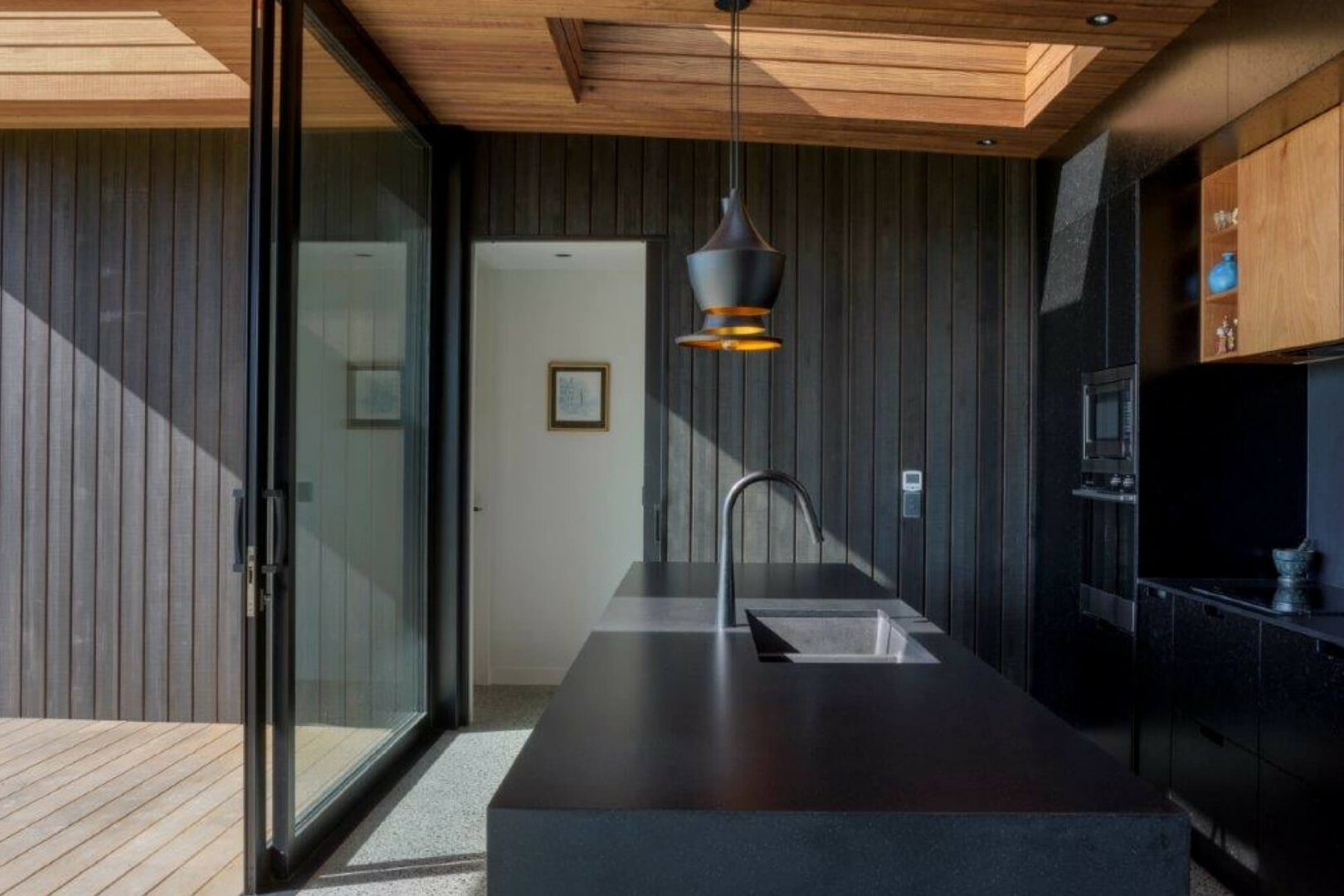
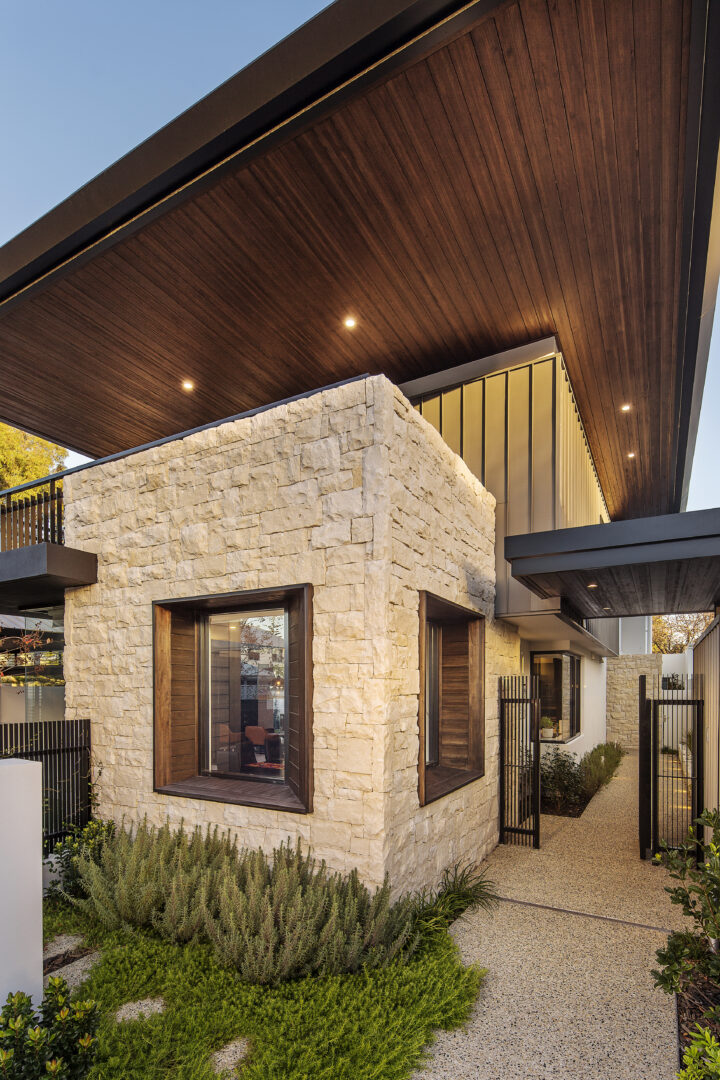
Abodo Cladding in Action
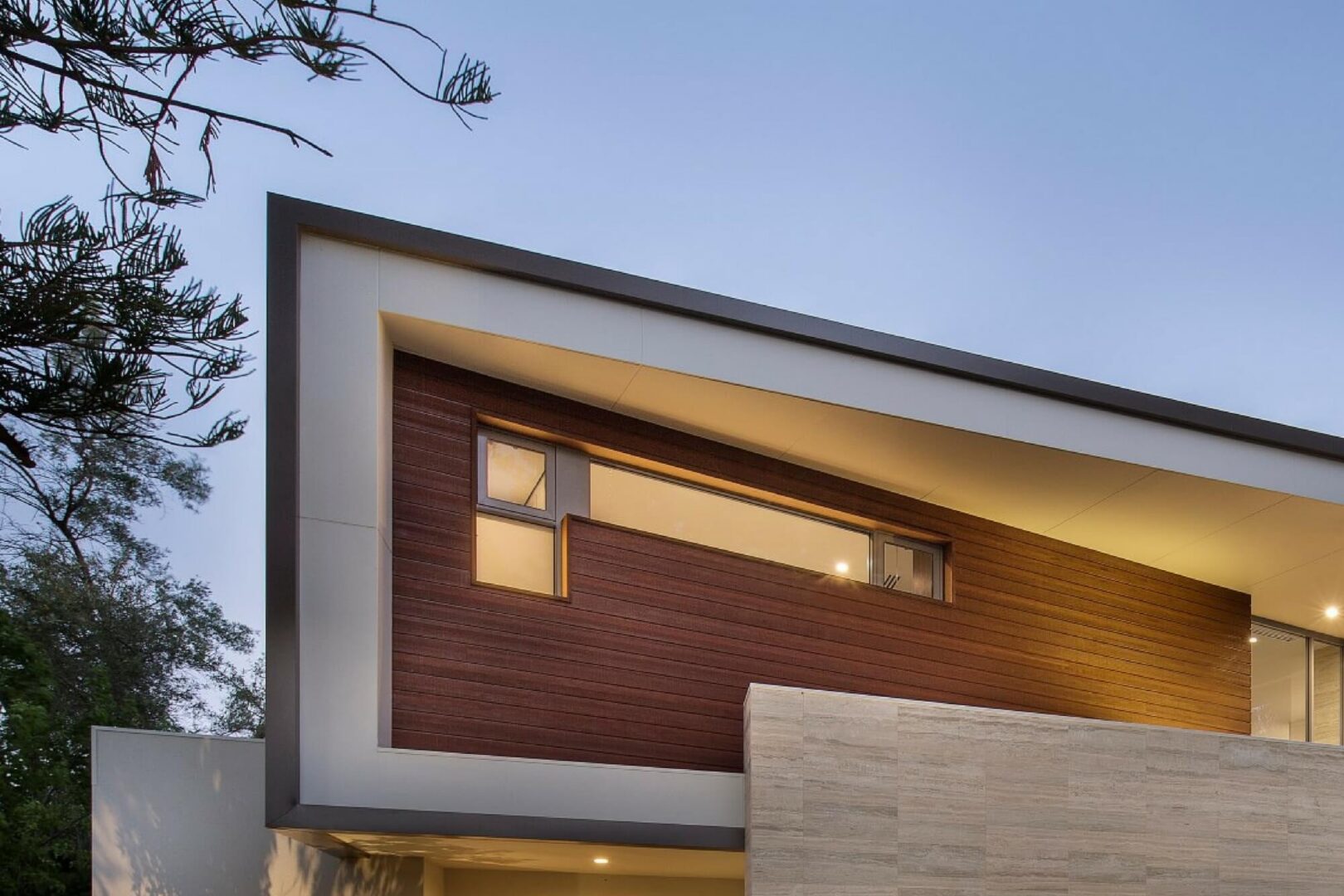
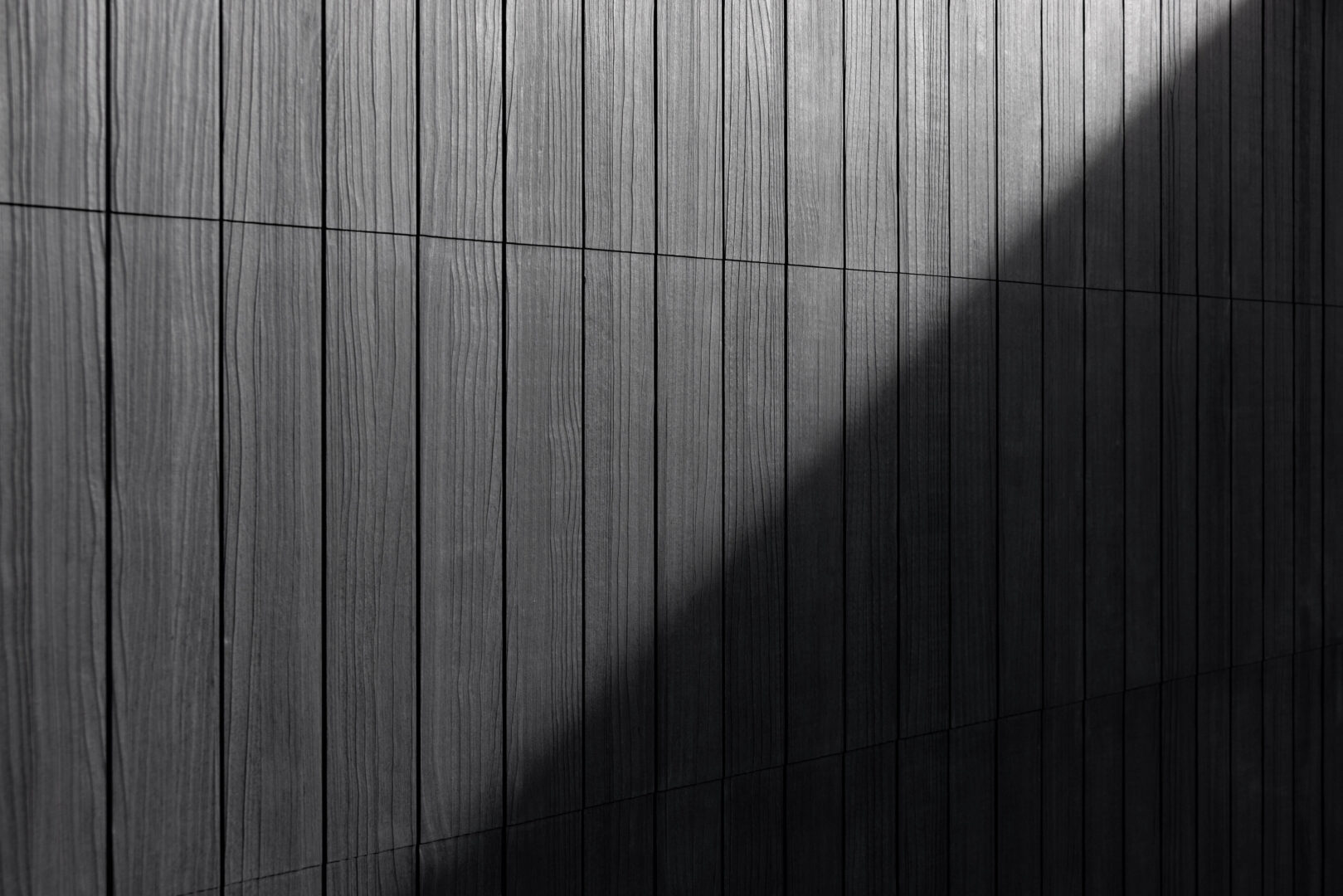
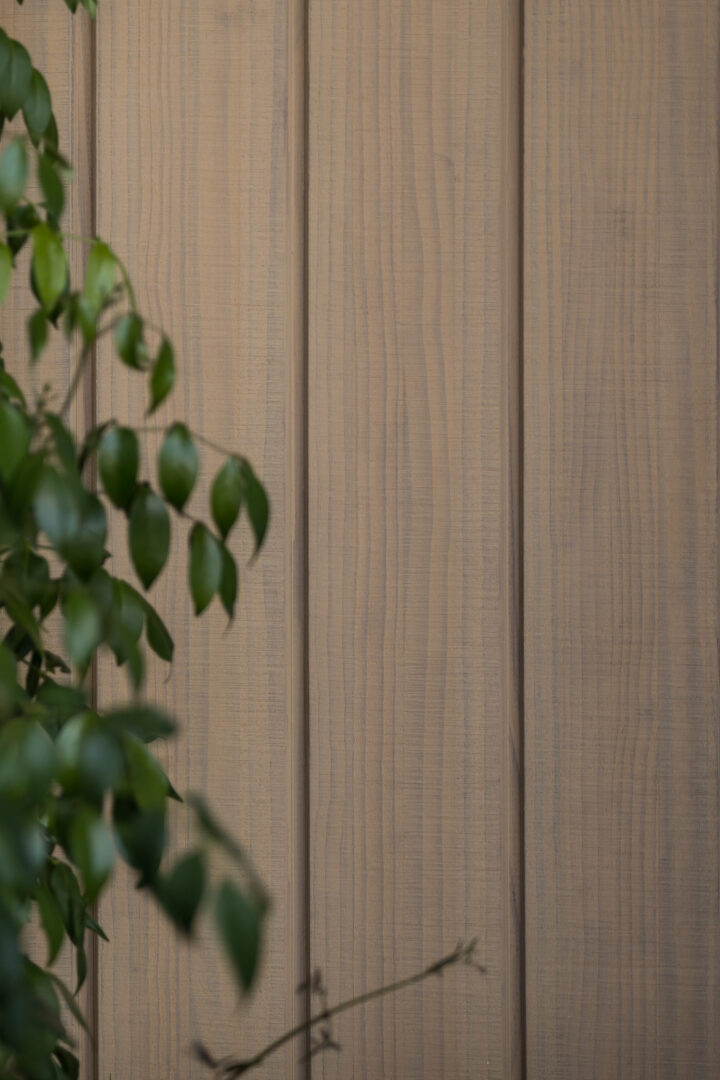
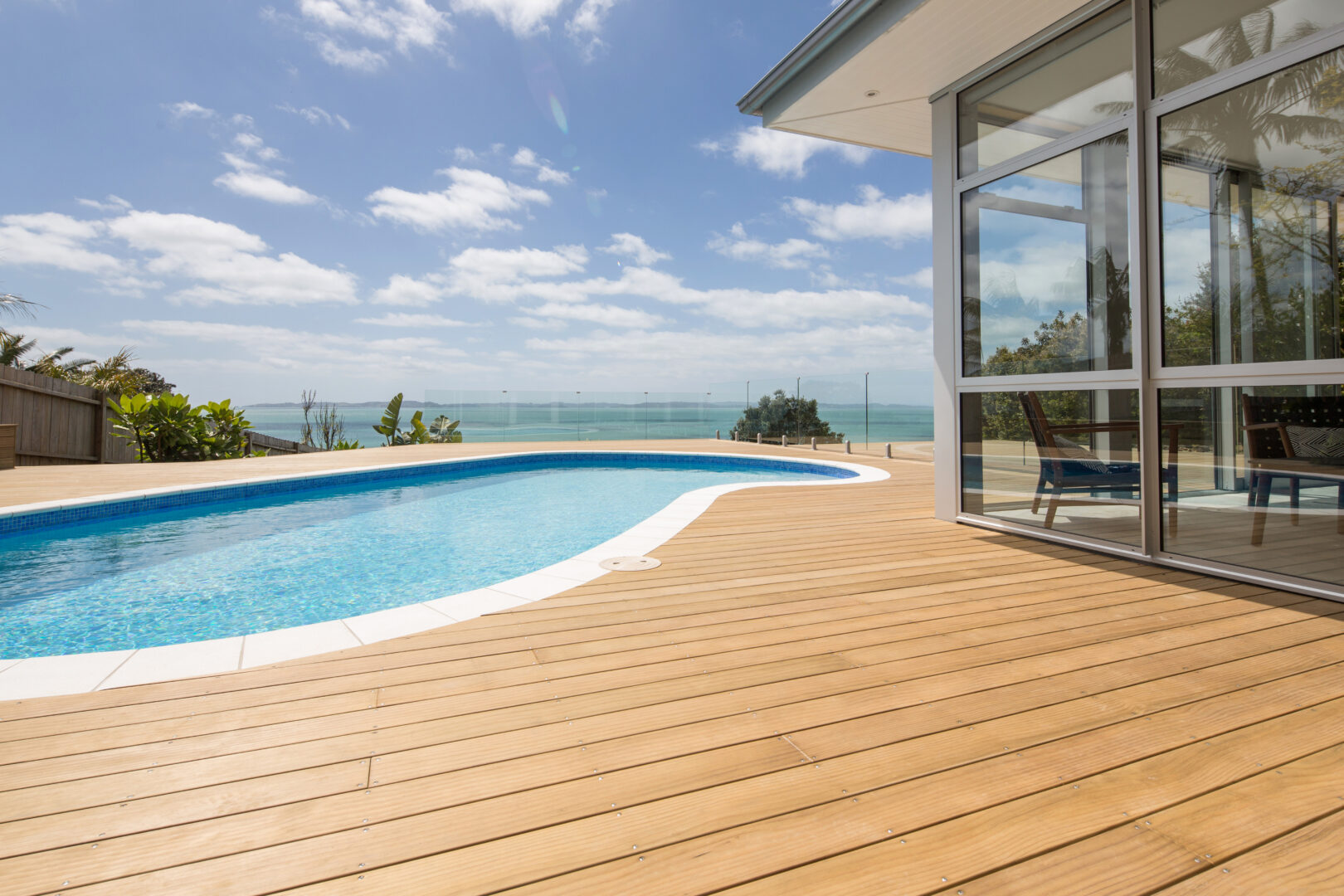
Abodo Wood Technical Characteristics
| Hardness | 562 lbf |
| Modulus of Rupture | 2973 psi |
| Modulus of Elasticity | 1,508,000 psi |
| Density | 1.5 lb/ft2 |
| Tangential Movement | 2% |
| Radial Movement | 2.5% |
| T/R Ratio | .8 |
The Abodo Vulcan CVG Process
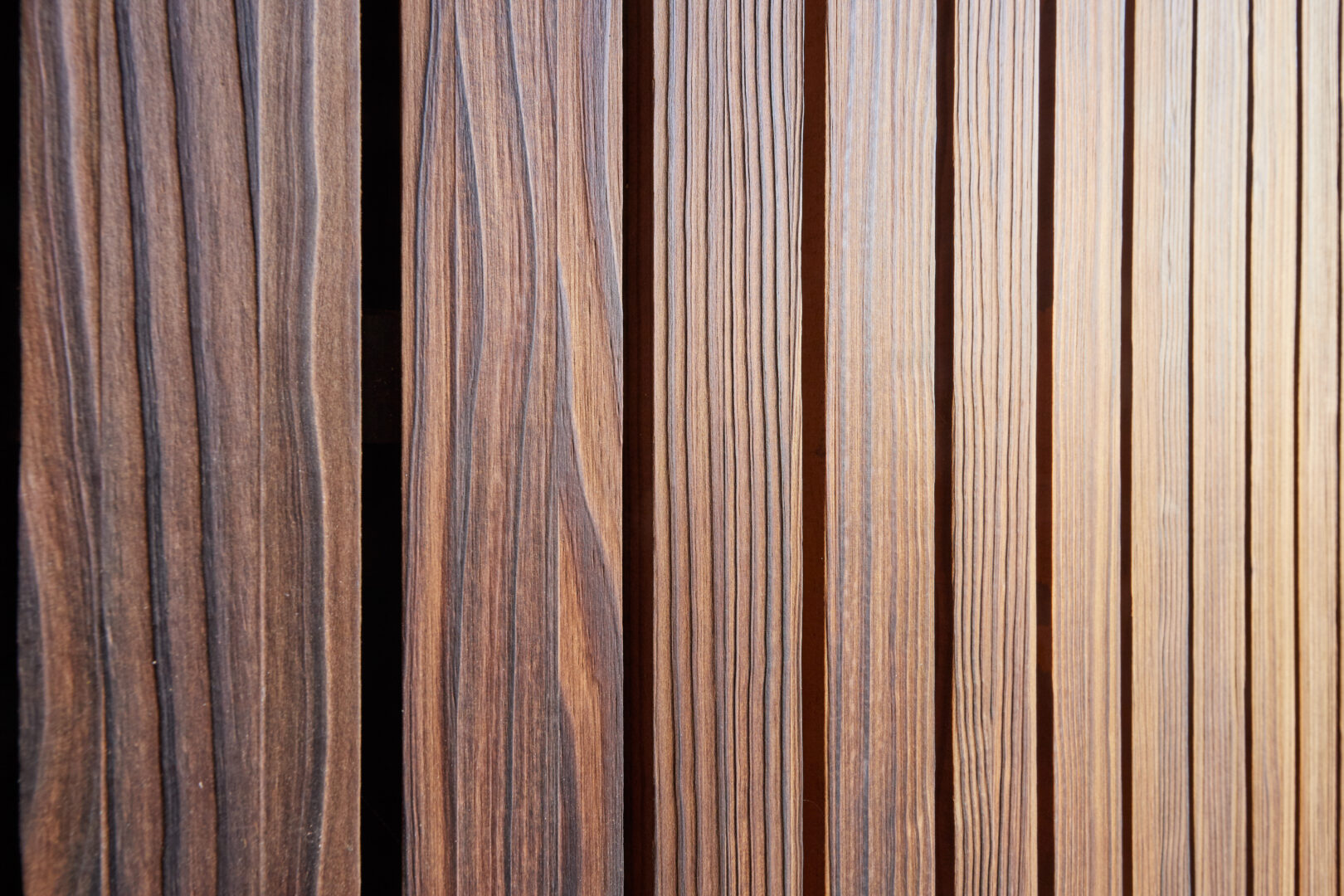
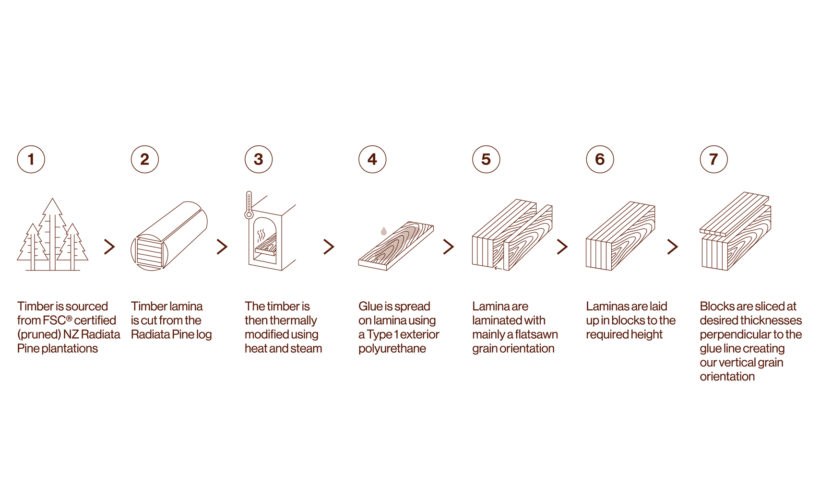
The Vulcan process begins with Abodo harvesting lumber from FSC forests directly adjacent to the plant. After felling, the lumber is flat sawn and then thermally modified, a process that gives the wood its distinctive peanut‑brown color. Thermal modification also significantly improves the wood’s dimensional stability. The modified boards are then glued together along their flat‑sawn faces to form large blocks. Finally, these blocks are sliced at various thicknesses perpendicular to the glue line. The result is a thermally modified clear vertical grain board capable of performing in both interior and exterior applications.
Why is CVG important?
It is generally accepted that clear vertical grain (CVG) boards of any species are more visually appealing than flat‑sawn boards, and they are also considered to be more dimensionally stable than their flat‑sawn counterparts. However, CVG boards have traditionally come from quarter‑sawn, old‑growth forests, which makes sustainability a legitimate concern.
When a log is quarter sawn, you can typically expect to yield only 45–55% of usable lumber, compared to approximately 60–70% from flat sawing. This creates a clear challenge: a tree harvested from an old‑growth forest can take 40 years or more to reach the size required to produce CVG material, and once cut, it can take just as long—if not longer—to replenish.
By using plantation‑grown Radiata Pine, Abodo is able to replicate the performance and appearance of traditional CVG material in under 30 years, rather than the 100 year old trees currently being cut for old growth CVG with 50+ growth rings per inch. Even second growth CVG at . The result is a board that is equally strong, dimensionally stable, and visually refined—while helping to preserve old‑growth forests around the world.
Want To Experience Abodo Yourself?
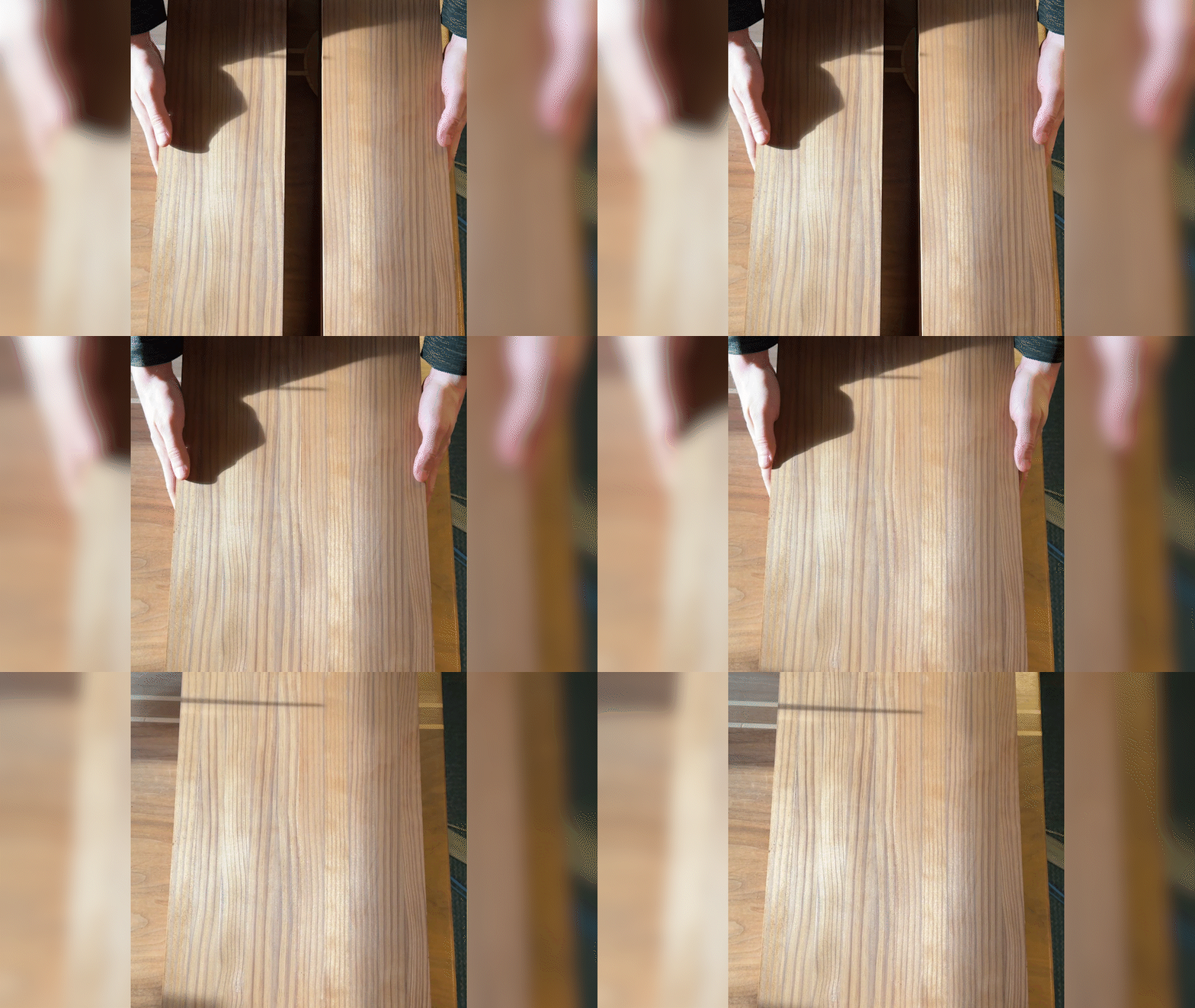
Use the link below to get access to Abodo’s testing data, certifications, product guides, and while your there request a sample!