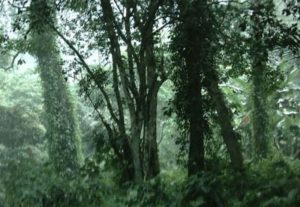
 Last week we talked about how the lumber import business is actually keeping the rainforests vibrant and well managed. As lumber importers we need to be very aware of how government regulation will change the way we do business. Not only how processes change, but who is responsible, and liable, for what. Navigating this quagmire is our job as the importer of record, but we also want our customers to know what it means for their business. The lumber industry is probably the first group to be concerned about environmental sustainability as our business depends upon renewable resources. It is up to us to be aware of potential environmental concerns and to investigate alternative sources and species. In keeping with our journey from forest to lumber rack, this week we will look at the regulation that monitors the sawmills and exporting practices at the source.
Forestry Management
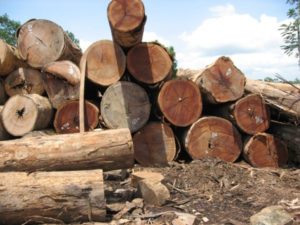 Every country has a government department that regulates forest usage. Most governments more tightly regulate their forests than the US does. These government departments grant long term land leases to the lumber companies. In South America most of the government regulations are very strict and in order to be given a land concession, the logging company must provide a complete managed forestry plan. (The US does not require this to be given a land concession) These plans provide detail down to every individual tree to be cut. The government must approve these plans before hand so by the time the logging actually begins there is documentation to verify how, when, where it came from, and most important what has replaced it. It is probably fitting and more than a little ironic that the lumber industry produces a paper trail a mile long to ensure that sustainable practices are being followed.
Whether by poor management in the past or lack of long term planning, some species will still become over harvested. It is these issues that make the news most often and can produce shortages and environmental concerns. This is where specific regulation like CITES comes into play.
What is CITES and How Does It Work?
 The Convention on International Trade of Endangered Species is a worldwide organization that identifies threatened species and regulates trade to ensure their continued viability. At it’s heart are three appendices that name the flora and fauna to be regulated.
Appendix I contains species threatened with extinction and trade is legally near impossible with these. Trade in these species is not allowed for commercial uses but rather scientific purposes.
Appendix II contains species that are not threatened but close watch over the trade is required to ensure they do not become endangered. This is based upon availability and market demand.
Appendix III contains species which are protected in a specific country. That country has asked for CITES help to regulate the trade worldwide.
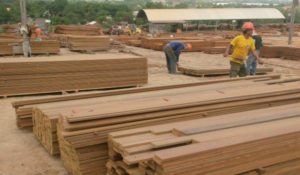
Essentially the mills and export companies are required to document their process from harvest to port. Each country has a specific CITES department that gathers findings reports and then provides those to the international CITES headquarters in Geneva. These “non detriment” reports outline how the species is being cared for and ensures that it meets with CITES regulation. The trail of documents is this presented upon export and is visible to all in the supply chain. Should CITES determine that the trade for that species could pose a threat to it’s sustainability, export quotas could be reduced or set to zero.
How Do I Know My Lumber is Legally Harvested?
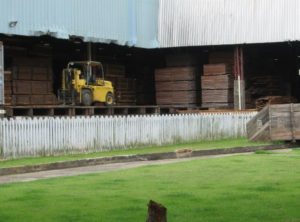 You have to ask. Your supplier is not required to prove it to you, but the documentation whether required by the local government or required by CITES is there and lumber provenance should be easily obtained. Does this mean that it isn’t possible to illegally harvest and export lumber. Not really. The lumber importer needs to have relationships with their suppliers to establish trust. The J. Gibson McIlvain Company visits our suppliers often and we have agents on the ground in the countries from which we import. While trust is important, on site verification is even more important. We believe that it is the job of the importer to ensure responsible forestry practices not only to sustain the natural resource but as a service to all of our customers downstream in the supply chain.
YOU Could be Held Liable for Improper Harvesting Practices
As the importer of record we owe it to our customers to ensure sustainable forestry practices because the reality is that everyone is liable for the products in the supply chain. Next week we will talk about the Lacey Act and how it regulates the lumber once it hits the US and holds everyone from importer to dealer to contractor accountable for knowing where the lumber comes from.










Leave a Reply